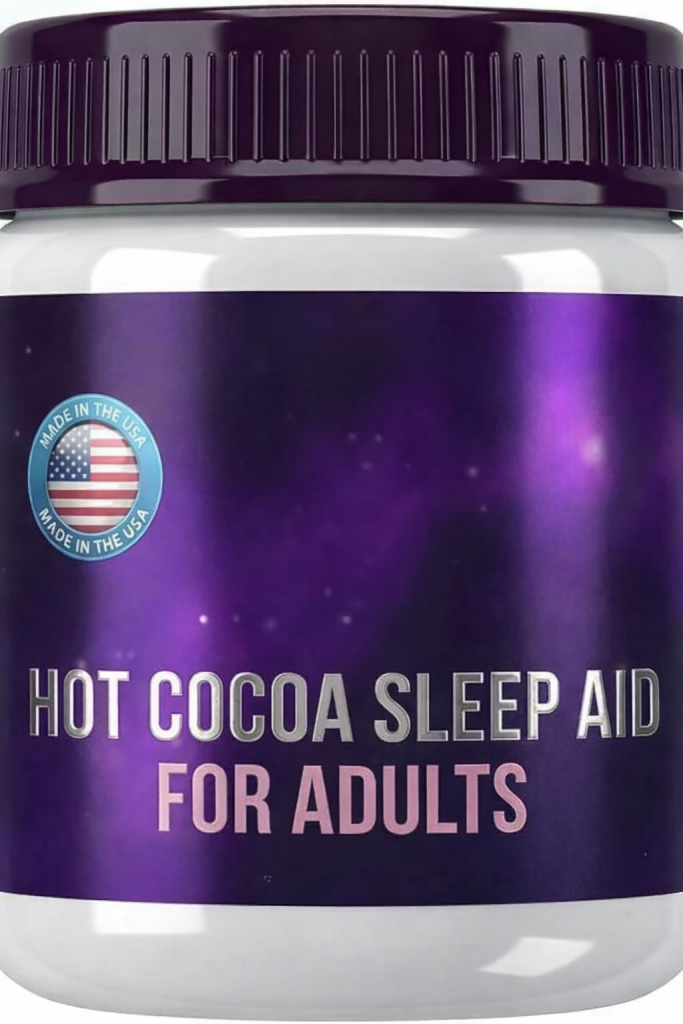
Sleep aids include natural supplements (melatonin, magnesium, valerian, chamomile) and OTC medications (antihistamines like diphenhydramine) used to help people fall asleep or improve sleep quality.
✅ Benefits of Sleep Aids
Improve sleep quality – Help you fall asleep faster and stay asleep longer
Reduce insomnia symptoms – Especially useful for short-term sleep problems
Relax mind and body – Many aids increase calming brain chemicals like GABA
Help with stress & anxiety – Magnesium and herbal aids reduce stress-related sleep issues
Useful for specific situations – e.g., jet lag or shift work (melatonin)
👍 Pros of Sleep Aids
✔ Easy to use (tablets, tea, drops)
✔ Available without prescription (OTC options)
✔ Natural options available (fewer side effects in short-term use)
✔ Can provide quick relief from temporary insomnia
✔ Some improve overall relaxation and mood
❌ Cons of Sleep Aids
❗ Side effects – dizziness, headaches, nausea, daytime drowsiness
❗ Dependency risk (especially with chemical sleep pills)
❗ Tolerance develops – effect may reduce over time
❗ Not a permanent solution – doesn’t fix root cause of insomnia
❗ Drug interactions – may conflict with antidepressants or other medicines
❗ Long-term safety unclear (especially melatonin daily use)
⚖️ Pros vs Cons (Quick View)
Pros Cons
Helps you fall asleep faster Can cause next-day drowsiness
Reduces stress & anxiety Risk of dependency
Widely available Not effective for everyone
Natural options exist May interact with medications
🧠 Important Advice
Use sleep aids only short-term unless advised by a doctor
Improve sleep habits (sleep hygiene) first (no caffeine, regular sleep time)
Consult a doctor if:
insomnia lasts more than 2–3 weeks
you take other medications
you have health conditions
🏁 Conclusion
Sleep aids can be helpful for temporary sleep problems, stress, or irregular sleep schedules. Natural options like magnesium or herbal remedies are generally safer for short-term use, while stronger medications should be used cautiously.
However, they are not a long-term cure—the best solution is improving lifestyle, stress management, and sleep habits