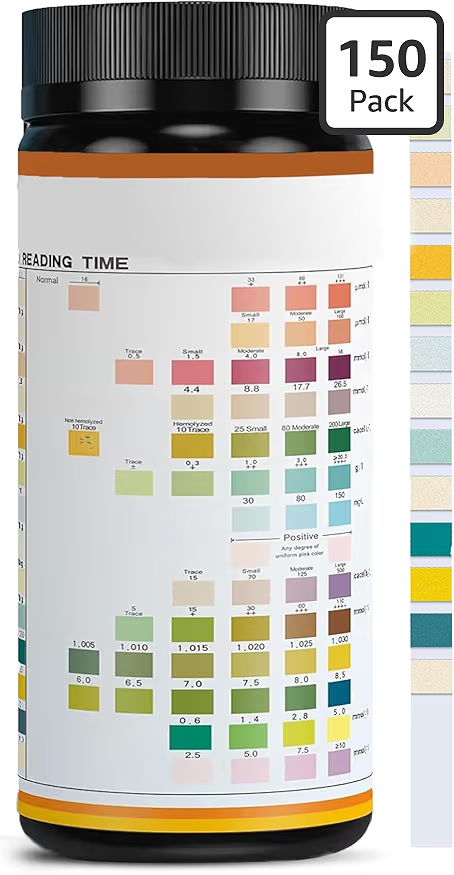
Urine test strips are small diagnostic tools used to analyze urine for different health indicators such as glucose, protein, pH, ketones, and infections. They are commonly used at home, clinics, and hospitals for quick screening.
✅ Benefits
Quick Results: Provide results within seconds or minutes.
Easy to Use: No medical training required—just dip and compare colors.
Early Detection: Helps identify conditions like diabetes, urinary tract infections (UTIs), and kidney issues early.
Portable: Small and lightweight, easy to carry anywhere.
Cost-Effective: Much cheaper than laboratory testing.
Multiple Parameters: One strip can test several health indicators at once.
👍 Pros
Non-invasive: No needles or blood required.
Convenient Home Testing: Ideal for regular monitoring without visiting a doctor.
Time-Saving: Immediate results reduce waiting time.
Helpful for Chronic Conditions: Useful for people managing diabetes or kidney problems.
Widely Available: Easily found in pharmacies and online.
❌ Cons
Less Accurate Than Lab Tests: Results are approximate, not definitive.
User Error Risk: Incorrect dipping or timing can affect results.
Limited Diagnosis: Cannot fully confirm diseases—only indicates possible issues.
Color Interpretation Issues: Some users may misread color changes.
Storage Sensitivity: Strips can be affected by heat, light, or moisture.
🧾 Conclusion
Urine test strips are a simple, affordable, and convenient way to monitor basic health indicators at home. They are especially useful for early detection and routine checks, but they should not replace professional medical diagnosis. For accurate results or serious concerns, it’s always best to consult a healthcare professional